
 Dana Smitham
Amazon · Amazon Services
One framework. Different needs.
Getting four departments and 15 stakeholders behind one flexible Amazon Services site.

- Client
- Amazon Services
- My role
- Lead and only designer on the redesign
- Scope
- 4 departments, 15 stakeholders
- Outcome
- +12% traffic to the main site
The challenge
The Amazon Services site housed four departments, each with its own goals and services. The redesign needed one framework flexible enough to serve all of them.
My role
I was the only designer on the team. I partnered with project managers and stakeholder teams on landing pages and a flexible UX framework for every product under the Amazon Services umbrella.
I created the high-fidelity designs that earned executive approval for development, and I updated the UX guidelines with specs, redlines, and rules for how controls and interactions should work.
How I approached it
Adapt to the process.
This was my first time in a waterfall process. Things moved fast, so I changed how I ran design rounds to keep up.
Get 15 people to one answer.
I set up biweekly reviews with all 15 stakeholders to walk through wireframes and design decisions, then brought revisions back to the group. Honestly, it was slow and painful at times.
What finally moved it was stepping back to agree on the site’s objectives and priorities. Once we had those, we landed on a framework that met everyone’s needs.
Show what changed.
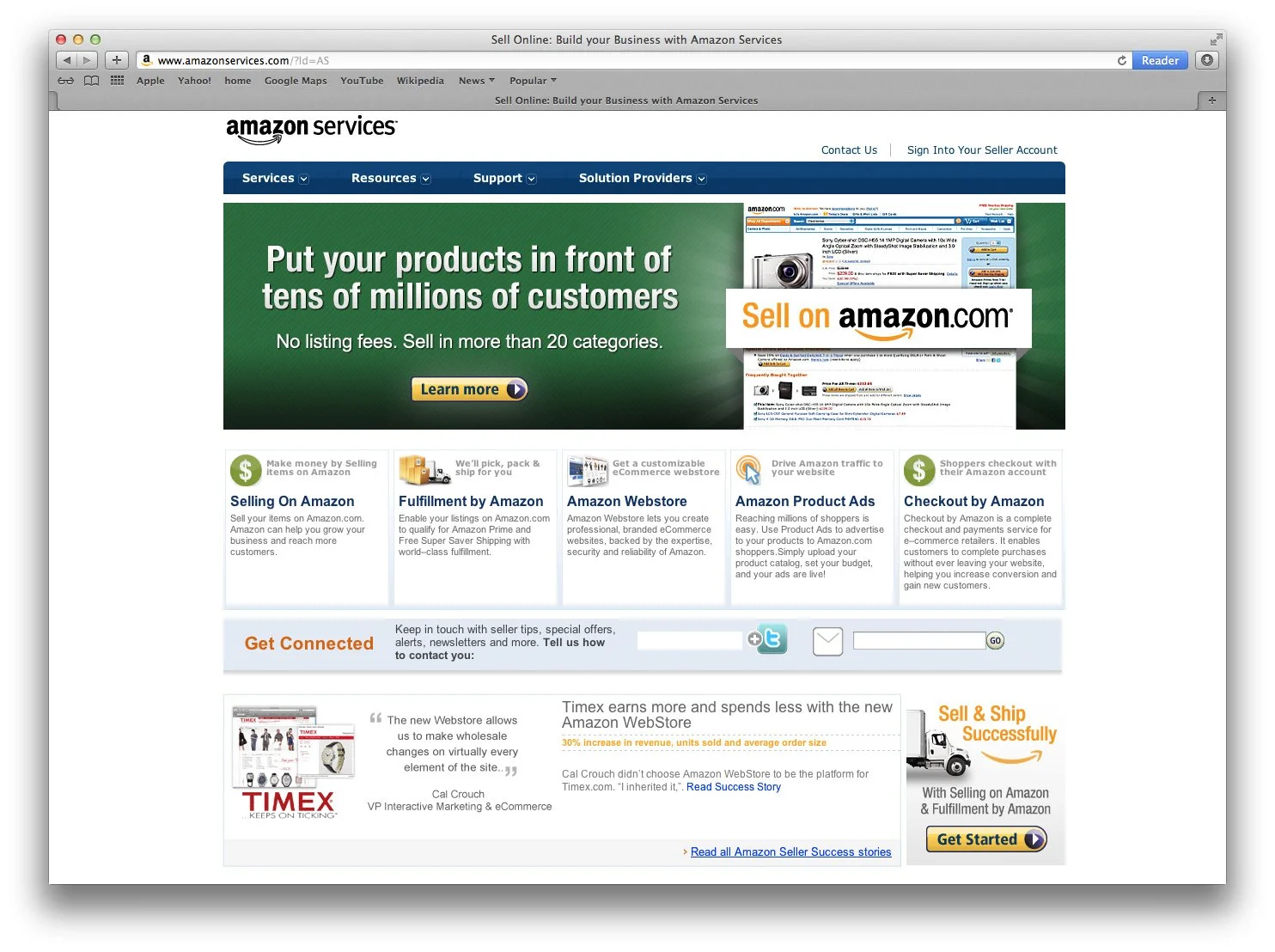
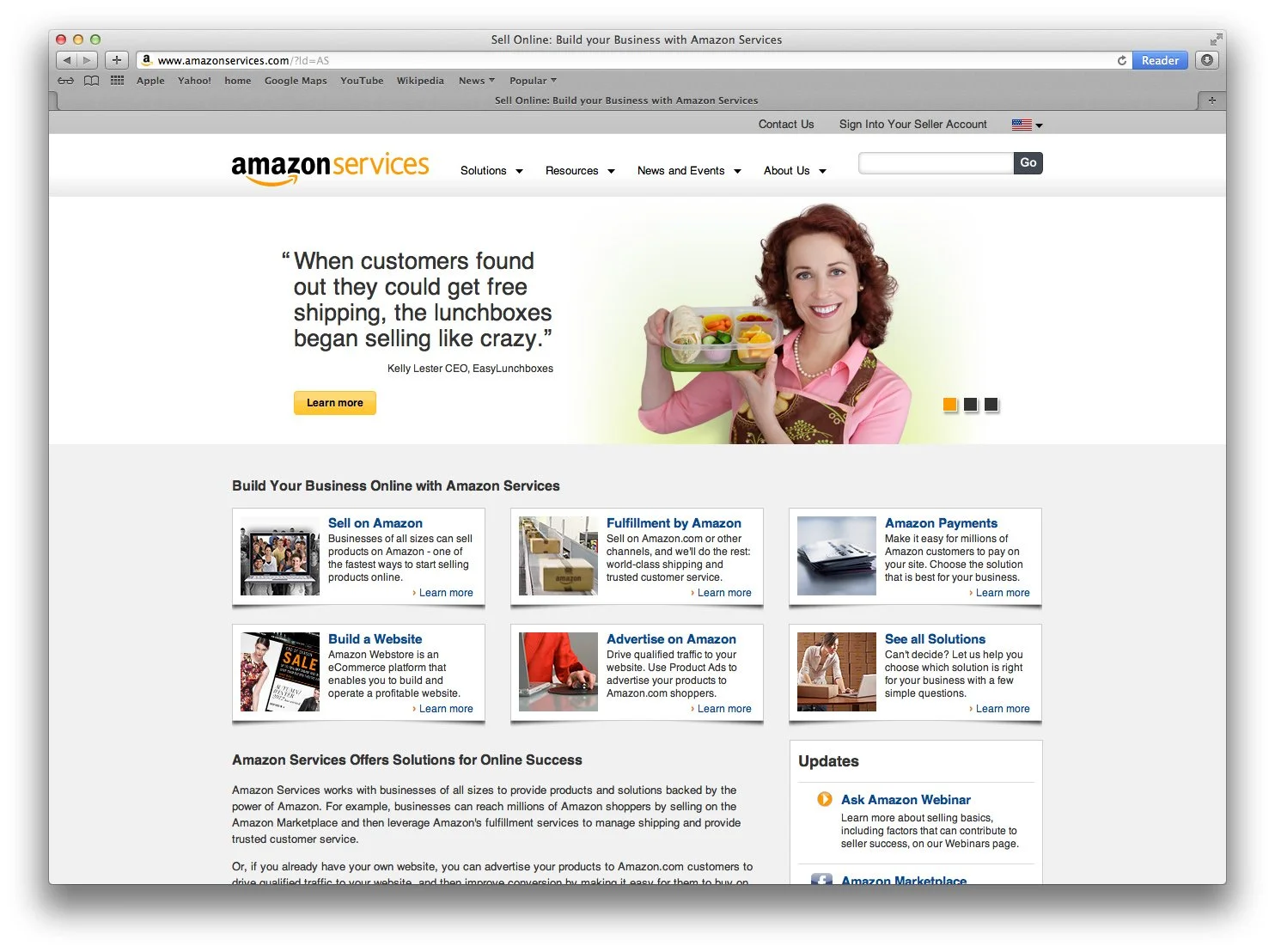
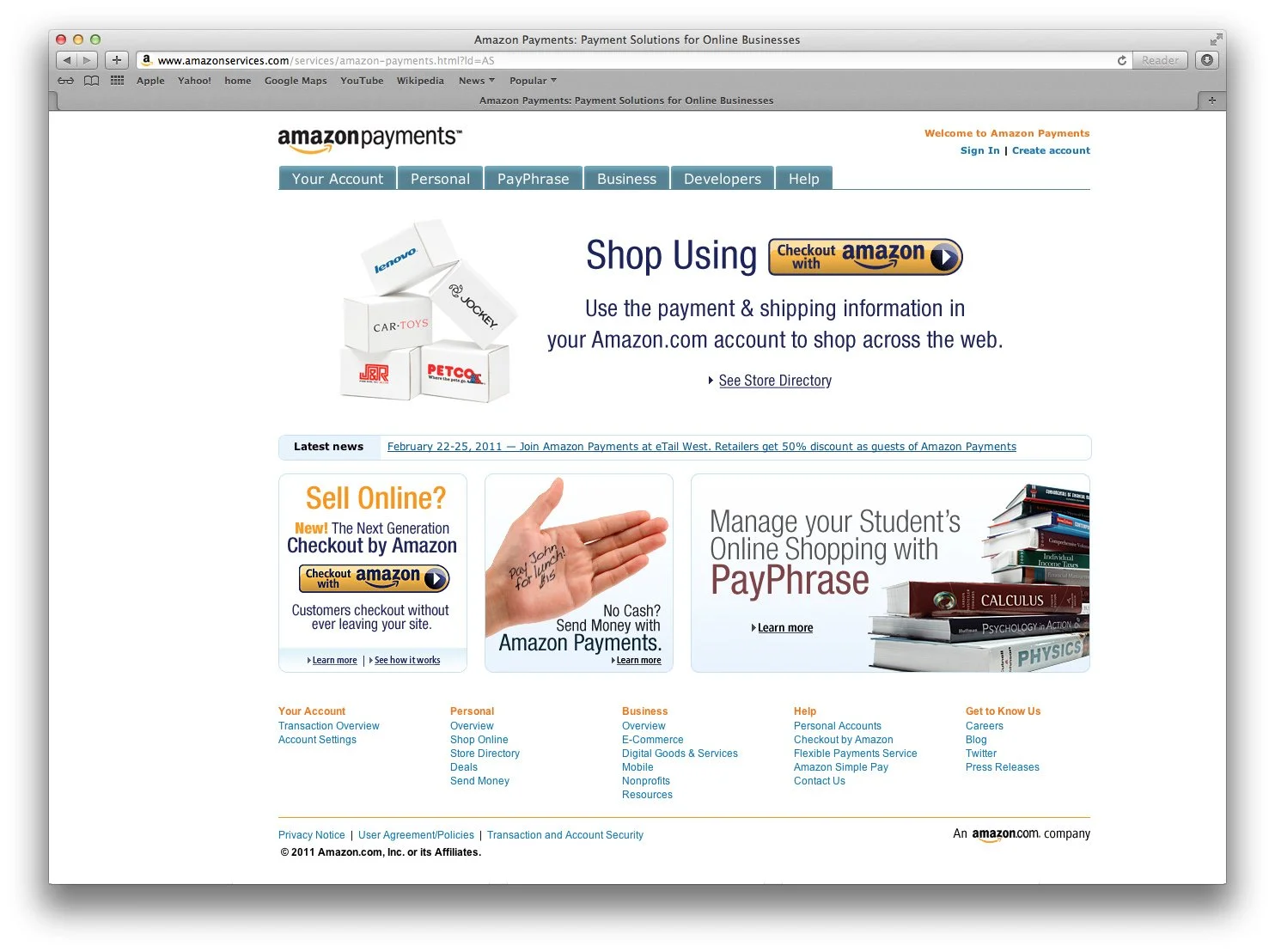
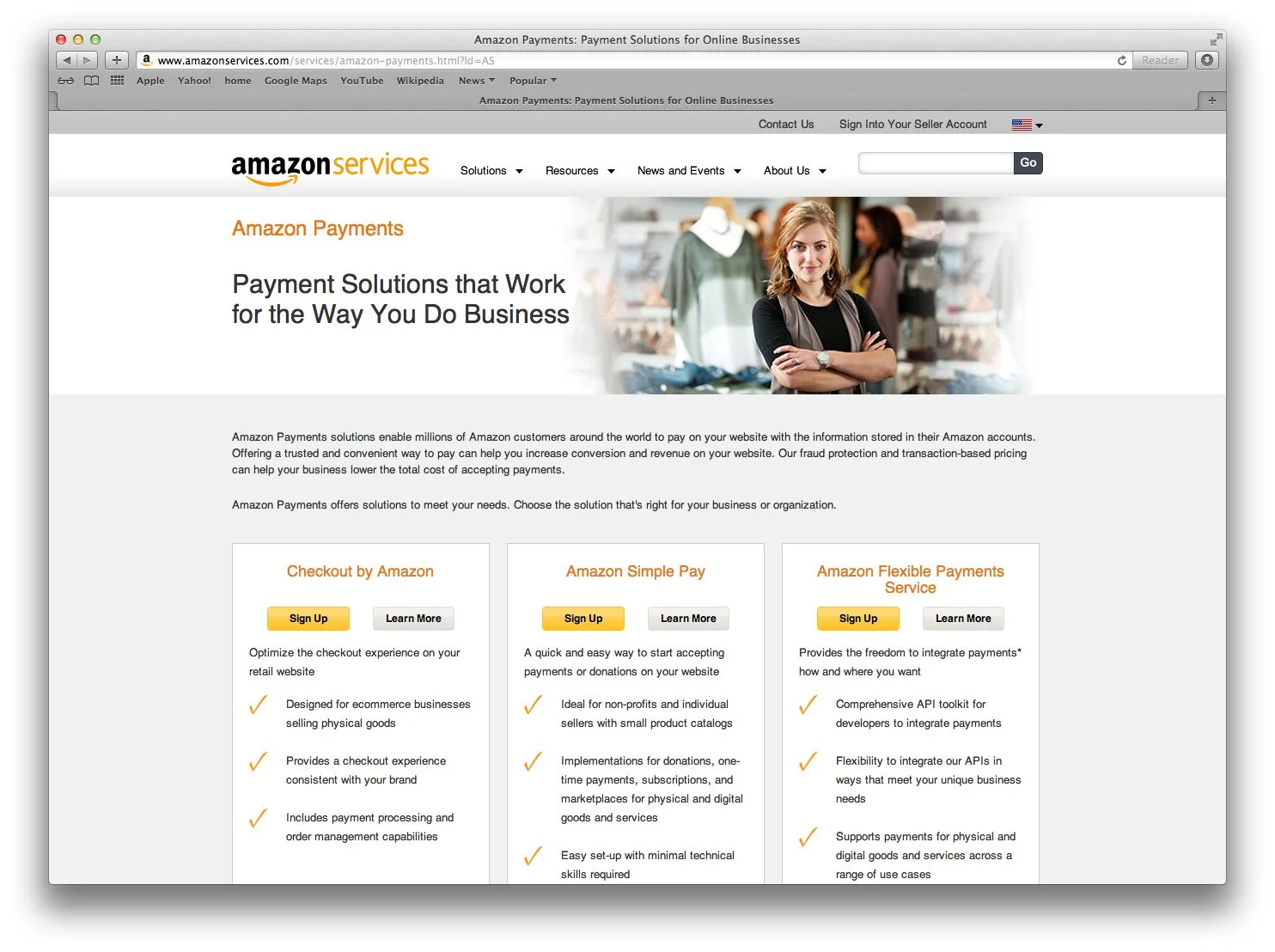
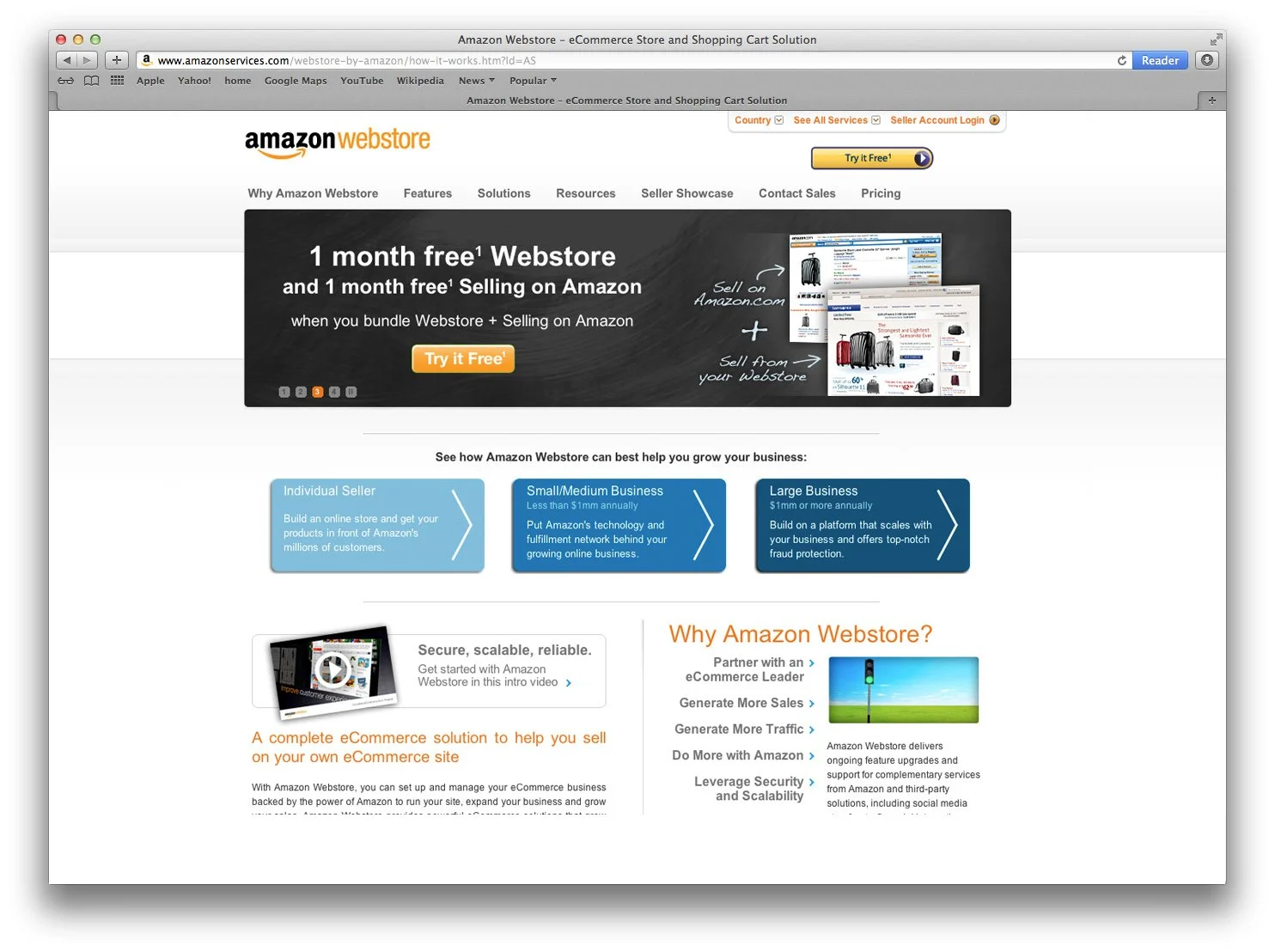
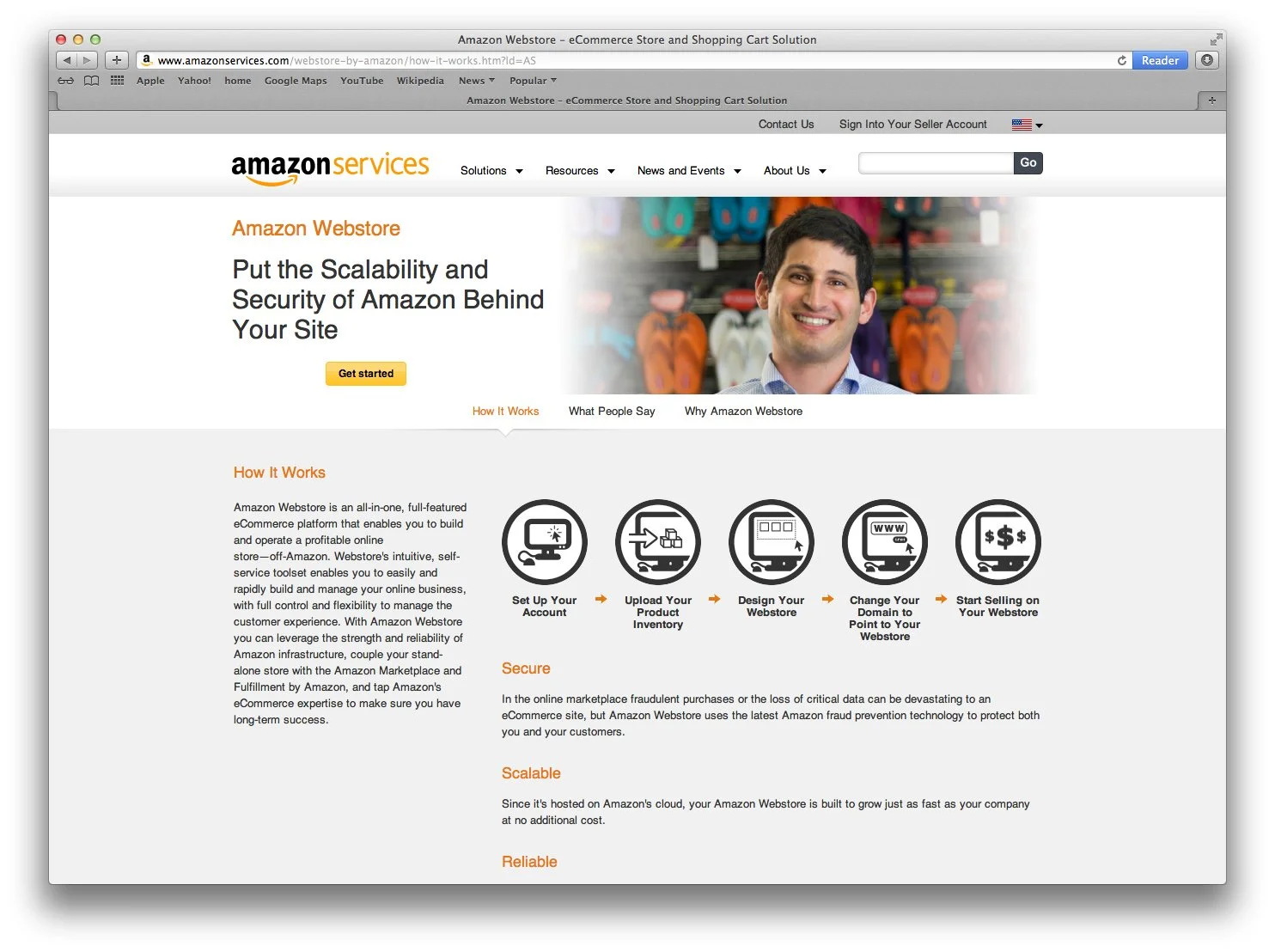
Strict NDAs meant I couldn’t keep the wireframes or early design work. These before and after screens show what the redesign changed.
What it led to
The framework stayed live for years. That’s the result I’m proudest of, because it proved the system was easy to update as the business changed.
What I took from it
Alignment isn’t a meeting cadence. It starts with agreeing on what matters. I learned that the hard way here, and it’s how I run stakeholder work now.
Earlier work. Results come from the original project.
Your next challenge.
Our next conversation.
Let’s talk about your team and what comes next.
Client
Amazon
My Role
Lead UX/UI Designer
The Project
I was the only designer on the AWS team when they went through a site redesign. The main site housed 4 different departments each with its own objectives and services they provided. The challenge was making a flexible framework that would satisfy all department’s needs and wants.
I collaborated with Project Managers and stakeholder teams on developing landing pages and a flexible UX framework for all the products under the Amazon services umbrella. I created final designs including high-fidelity, pixel-perfect screenshots to gain executive approval for the site development. Also, I updated the UX guidelines with polished images, redline/visual specifications, and expected rules of control usage and interaction.
The Approach
This was my first exposure to a waterfall process which proved to be challenging at the beginning but I adjusted my tactics and approach along the way to adapt. With this process, things moved very fast so I had to accommodate that during design rounds. I set up bi-weekly meetings with all stakeholders (15 in total) to review wireframes and design decisions. I then would take feedback and adjust the designs and present them to the group again. In the end, this proved to be a very painful and tedious process. After some lengthy discussions about the objectives and priorities of the website, the stakeholders and I were able to come up with a flexible framework that met all their needs. I’m proud of this project because of the fact that this website has stayed live for so many years, proving that the flexible framework that I designed was able to be easily updated and adapt.
Before & Afters
I was unable to take away any of the wireframing or initial design work due to very strict NDA’s. What I do have is before and after screens showing all that changed and how the new design looks.

Amazon Service Homepage Before

Amazon Service Homepage After

Amazon Service Payments Before

Amazon Service Payments After

Amazon Service Webstore Before

Amazon Service Webstore After
The Results
17.8% increase in subpage traffic
12% increase in total traffic to the main AWS site